Classroom Technology

The Most Popular Ed-Tech Products Don’t Meet Research Standards

By Lauraine Langreo — March 08, 2023 1 min read
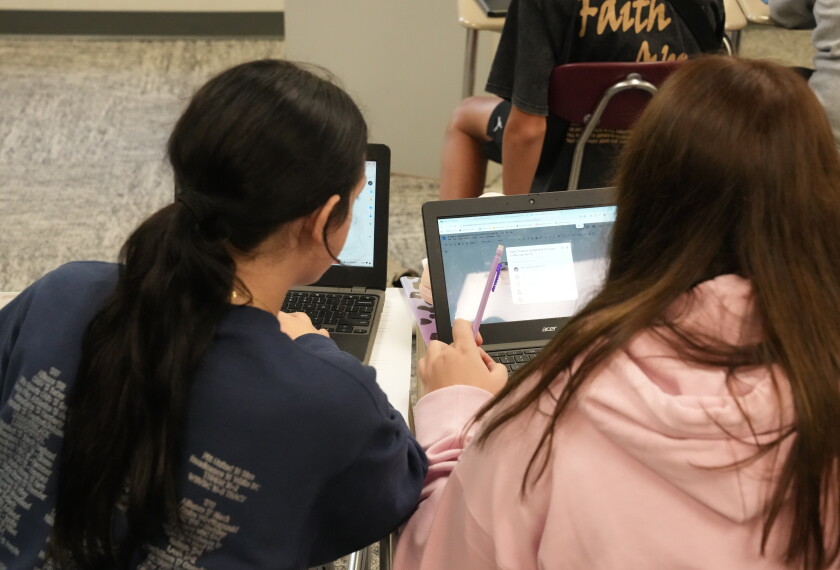
Image of school space.
  • Save to favorites
  • Print

Only about a quarter of the 100 most-used ed-tech tools in classrooms meet Every Student Succeeds Act requirements, according to a new report from LearnPlatform, an education technology company that helps districts measure the use and effectiveness of their digital products.

The report examines how the 100 most-accessed ed-tech tools stack up across the United States based on key factors, such as data privacy, interoperability, federally aligned evidence, and other indicators.

When the pandemic hit, many companies provided their products to schools and teachers for free. And schools used them even if companies didn’t provide evidence of standards alignment, because educators needed something that would help engage their students.

The average number of technology products that school districts access in a given month has almost tripled over the last several years, but oftentimes, the efficacy of those products aren’t clearly shown.

Federal, state, and district policies are increasingly asking companies to show evidence of alignment to ESSA. Large districts, such as Los Angeles and Chicago, are now requiring evidence information from vendors during the purchasing process.

At the start of the pandemic in 2020, Congress passed Elementary and Secondary School Emergency Relief funds to help districts recover from the pandemic. The term “evidence-based” was used 17 times in the first 20 pages of the bill, which shows there’s more desire for proof that a tech tool works, said LearnPlatform co-founder Karl Rectanus during a presentation about ESSA and technology at the SXSW EDU conference this week in Austin.

“With tech-enabled learning here to stay, understanding which tools are effective, interoperable, compliant, accessible, and safe are table stakes,” Rectanus said in a statement. “While not ubiquitous, this report indicates that the use of evidence is taking flight across education.”

For the report, LearnPlatform analyzed data on more than 11,000 ed-tech products based on the engagement of 2.8 million students and more than 320,000 educators. The analysis was then cross-referenced with publicly available information on provider websites and from respected associations and organizations, including Common Sense Media, Digital Promise, and the International Society for Technology in Education, or ISTE.

Related Tags:

Events

This content is provided by our sponsor. It is not written by and does not necessarily reflect the views of Education Week's editorial staff.
Sponsor
Assessment Webinar
Measuring What Matters: How District Leaders Are Redefining Student Assessment
In this panel discussion, district leaders and systems experts will examine the gap between the outcomes we want and the systems in place.
Content provided by Otus
Early Childhood Webinar Selling Into Early Learning: New Survey Data and Strategies for Marketers
Selling into PreK? Get fresh EdWeek Research Center data and strategies to position your products and reach the right early learning buyers.
Artificial Intelligence Webinar AI and 'Techlash' Are on a Collision Course. How Should Schools Respond?
Learn what strategies and tactics schools can develop to encourage smart and responsible AI use, while also enforcing tech guardrails.

EdWeek Top School Jobs

Teacher Jobs
Search over ten thousand teaching jobs nationwide — elementary, middle, high school and more.
View Jobs
Principal Jobs
Find hundreds of jobs for principals, assistant principals, and other school leadership roles.
View Jobs
Administrator Jobs
Over a thousand district-level jobs: superintendents, directors, more.
View Jobs
Support Staff Jobs
Search thousands of jobs, from paraprofessionals to counselors and more.
View Jobs

Read Next

Classroom Technology Are Teens Starting to Accept Cellphone Bans? A New Survey Has Answers
Researchers surveyed teens and adults on how well school cellphone policies were enforced over the course of a school year.
5 min read
Students use their cellphones as they leave for the day the Ramon C. Cortines School of Visual and Performing Arts High School in downtown Los Angeles, Aug. 13, 2024.
Students use their cellphones as they leave the Ramon C. Cortines School of Visual and Performing Arts High School in downtown Los Angeles on Aug. 13, 2024. A new set of surveys of teen attitudes toward school cellphone restrictions shows growing acceptance of the policies by those most directly affected.
Damian Dovarganes/AP
Classroom Technology Opinion The Big Flaw With Ed-Tech Tutoring Isn't Technological
Before focusing on the technology, we need to redesign the learning model, Michael Horn argues.
•
4 min read
The United States Capitol building as a bookcase filled with red, white, and blue policy books in a Washington DC landscape.
Luca D'Urbino for Education Week
Classroom Technology Q&A Students’ Tech Engagement Doesn’t Equal Learning, Psychologists Warn
A panel of psychologists shares recommendations for ensuring technology promotes meaningful learning.
6 min read
DSC03088
Students at a high school in Plymouth, Ohio work on how to properly prompt the Gemini AI app on Aug. 28, 2026. A new report of the American Psychological Association warns that student engagement with tech apps should not be conflated with benefits for learning.
Ruddy Roye for Education Week
Classroom Technology Q&A Facing 'Techlash,' How Should Schools Talk to Parents About Tech Use?
A school communications expert explains how schools should approach their messaging around tech.
5 min read
MEAD, CO - AUGUST 18: Parents watch and and take photos of their kids as they enter the school during their first day of class at the Big Sky PK-8 School in Mead on Aug. 18, 2026.
Parents watch their kids as they enter the school on the first day of class at the Big Sky PK-8 School in Mead, Colo., on Aug. 18, 2026. As schools face growing backlash from parents over their use of educational technology, a school communications professional has some pointers on how schools can communicate with parents about how they're using technology.
Joel Solis/MediaNews Group/Boulder Daily Camera via Getty Images